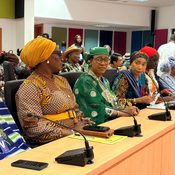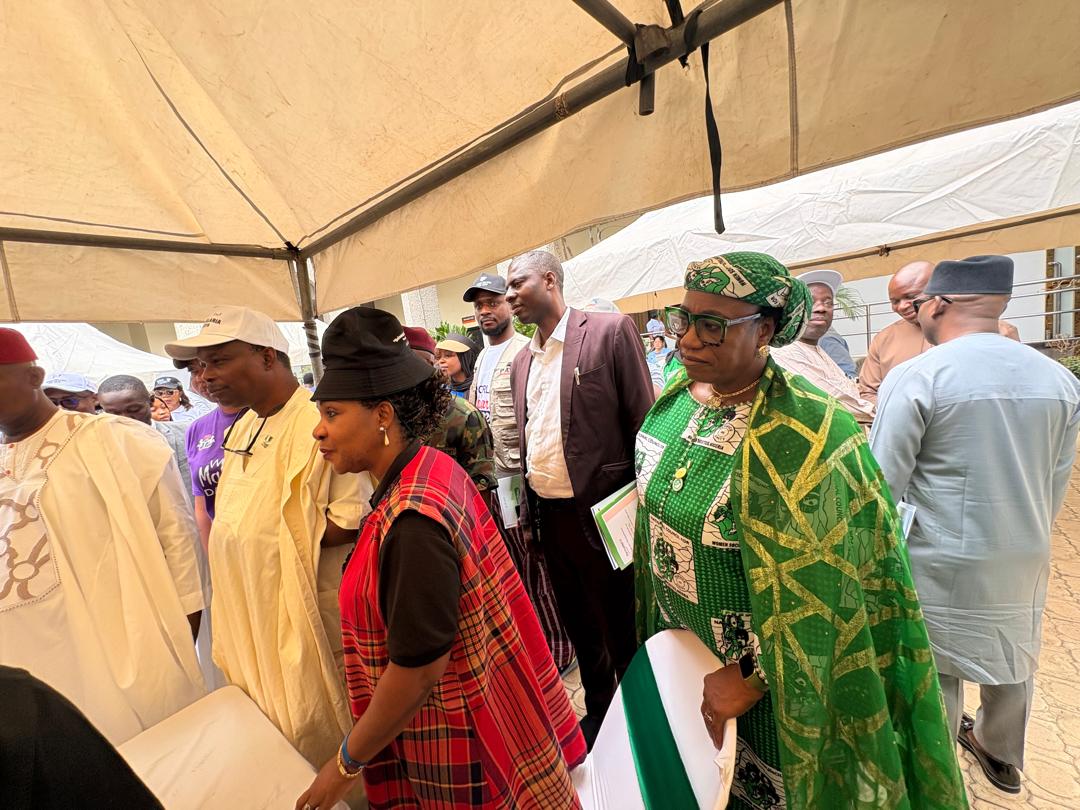
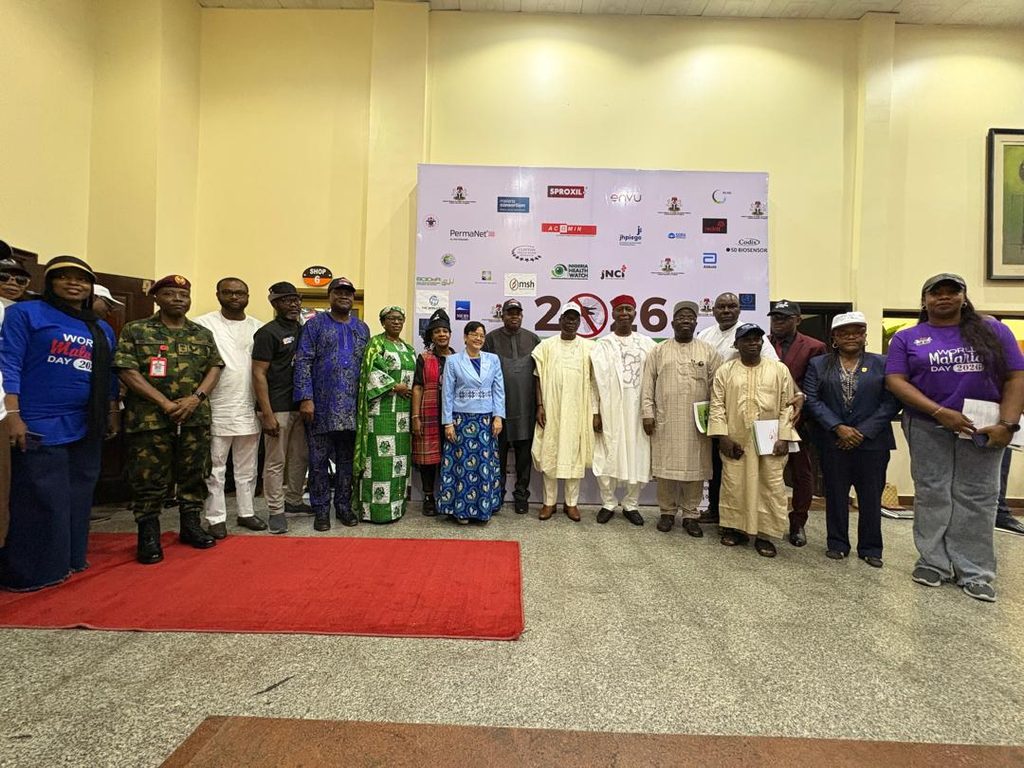
The 2026 World Malaria Day celebration, held at Rockview Royale Hotel, Abuja, on April 27, 2026, convened key stakeholders, policymakers, development partners, and civil society actors under the theme “Driven to End Malaria: Now We Can, Now We Must,” reinforcing a unified national commitment to malaria elimination in Nigeria. The event, coordinated by the Federal Ministry of Health and Social Welfare, welcomed the Honourable Coordinating Minister, Professor Muhammad Ali Pate, CON, alongside distinguished participants including Senator Ned Kwankor, who reaffirmed his strong legislative and advocacy commitment toward eliminating malaria in Nigeria, emphasizing the need for sustained political will and resource mobilization.

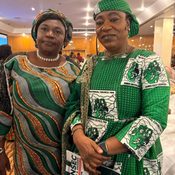
The event recorded strong participation from the National Council of Women’s Societies (NCWS), led by its National President, Princess Edna D. D. Azura (Kwatam Mutaku), whose presence underscored the critical role of women-led advocacy and grassroots mobilization in advancing public health outcomes. Speakers highlighted Nigeria’s progressive journey toward malaria elimination over the past 26 years, tracing key milestones from the 2000 Roll Back Malaria initiative and Abuja Declaration—aligned with the Millennium Development Goals (MDGs 3, 4, 5, and 6)—to the establishment of the National Malaria Elimination Programme (NMEP), adoption of artemisinin-based combination therapies (ACTs) in 2006, the first long-lasting insecticidal net (LLIN) mass campaign in 2009, introduction of Seasonal Malaria Chemoprevention (SMC) in 2012, and the pilot of next-generation LLINs in 2019.
Recent advancements include the inauguration of the Nigeria End Malaria Council (2022–2023), the rollout of the R21 malaria vaccine in selected states (2024–2025), and the development of the sixth National Malaria Strategic Plan (NMSP 2026–2030), driven through a multisectoral approach involving key ministries. These efforts have contributed to a notable decline in malaria prevalence among children under five—from approximately 27.4% in 2019 to 22.3% in 2021, and further to 15.2% based on the 2021 Nigeria Malaria Indicator Survey (NMIS). Despite these gains, Nigeria still bears a disproportionate global burden, accounting for 24% of malaria cases and 30% of deaths globally, with marked subnational disparities ranging from 2.6% prevalence in Lagos to 29% in Zamfara (NMIS 2025).
Technical presentations, supported by Nigeria Health Watch and partners including the Harvard T.H. Chan School of Public Health and Exemplars in Global Health, emphasized the transformative impact of Subnational Tailoring (SNT) a data-driven approach that determines what interventions are needed, where, and why. SNT enables efficient allocation of resources by targeting high-burden areas while adapting strategies in lower-risk regions. This approach is also guiding the malaria vaccine rollout, ensuring priority is given to the most affected populations.
The integration of digital health technologies, expanded vaccination efforts, next-generation insecticide-treated nets, and strengthened surveillance systems—including entomological surveillance guidelines adopted between 2022 and 2023—were highlighted as critical tools for accelerating progress. However, stakeholders cautioned that emerging challenges such as climate change, humanitarian crises, drug and insecticide resistance, and declining international funding could threaten recent gains. Consequently, there were strong calls for increased domestic financing, improved surveillance investments, expanded community-based delivery, alignment of funding with SNT-informed priorities, and a whole-of-society approach engaging sectors such as environment, agriculture, and education.
Goodwill messages from global and national partners—including Gavi, the World Bank Group, the Bill & Melinda Gates Foundation, UNICEF, and The Lancet—reiterated that while the tools and knowledge to eliminate malaria exist, success depends on sustained commitment, strategic coordination, and immediate action. The event reinforced the importance of community ownership, behavioral change, and inclusive participation, particularly through platforms such as NCWS, which continue to drive grassroots awareness and engagement.
Looking ahead, key priorities include strengthening advocacy and communication channels, building local research capacity, increasing domestic financing, and scaling up community-based interventions. As emphasized during the technical sessions, Subnational Tailoring is not merely a malaria strategy but a smarter approach to health system governance, with potential applications across tuberculosis control, immunization, maternal health, and primary healthcare financing.
In conclusion, the 2026 World Malaria Day celebration served as both a reflection on Nigeria’s progress from 2000 to 2026 and a decisive call to action. Stakeholders collectively reaffirmed their commitment to protecting lives, sustaining gains, and intensifying collaborative efforts toward a malaria-free Nigeria recognizing that elimination is achievable through sustained, coordinated, and strategic action focused on areas of greatest need.
Princess Edna D. D. Azura (Kwatam Mutaku)
National President
National Council of Women’s Societies (NCWS), Nigeria