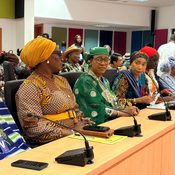
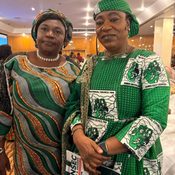
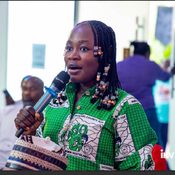
The National Council of Women’s Societies (NCWS) participated in the Voters’ Preference Survey (VPS) Series presentation organised by Invictus Africa in Abuja, which examined Nigerian voters’ attitudes, past voting behaviour and willingness to support women, youth and Persons with Disabilities (PWDs) ahead of the 2027 General Elections. Representing the NCWS National President, Princess Edna D.D. Azura (Kwatam Mutaku), Miss Comfort Chama Samuel, Executive Media Assistant, joined stakeholders and other participants in reviewing the survey evidence. The findings are particularly significant for women’s political inclusion: although only 30.9% of voters have ever voted for a woman candidate since 1999, a promising 64.4% now say they would vote for a woman in 2027. The survey further revealed that 51.1% of voters who had never voted for a woman said they were unaware of any woman on the ballot, highlighting candidate visibility and availability as major barriers rather than a complete absence of voter willingness. Importantly, 70.3% of female voters indicated that they would definitely support a woman candidate, compared with 59.1% of male voters, while 55.1% of voters said a woman’s track record, honesty and competence are sufficient to earn their vote.
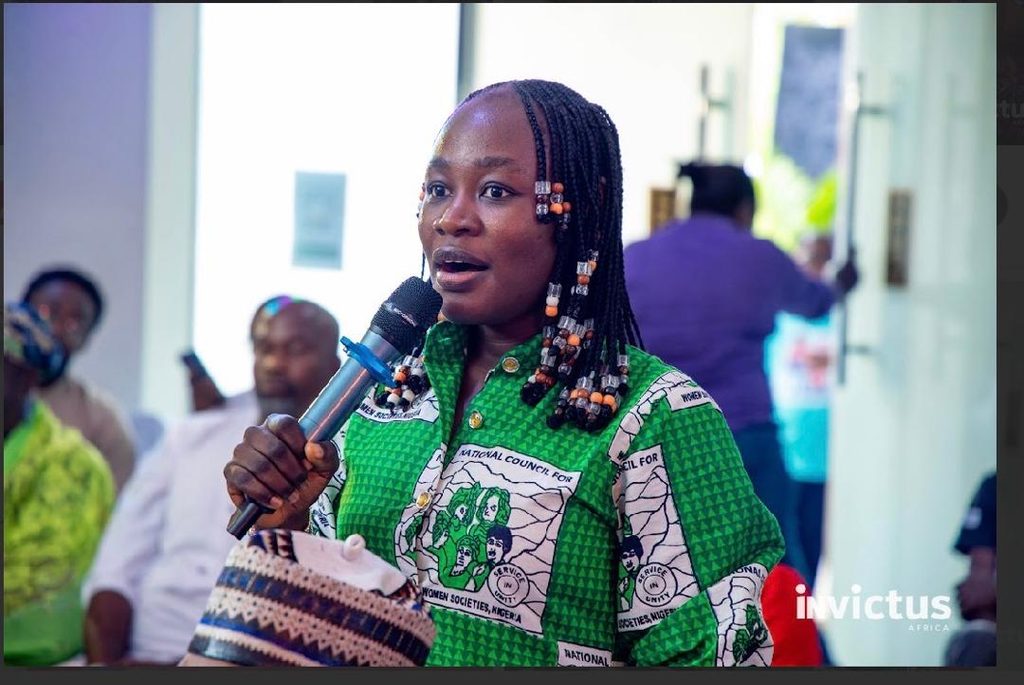


The presentation also highlighted a significant opportunity for youth political participation. 41.1% of Nigerian voters have previously supported a youth candidate, while 74.3% indicated that they would vote for a youth candidate in 2027. Similarly, 79.9% of voters who had never voted for a youth candidate reportedly said they were unaware of any youth candidate on the ballot, reinforcing the recurring challenge of candidate visibility. The data showed particularly strong support for youth candidates at legislative levels, with voters expressing high willingness to support youth for the State House of Assembly and House of Representatives, while support declines for some executive positions. The findings therefore demonstrate that Nigerian voters are not necessarily resistant to women and young people in leadership; rather, political parties and the electoral system must create meaningful opportunities for credible candidates from these groups to secure nominations, appear on ballots and communicate their competence and track records to voters. The survey further showed 74.3% openness to youth candidates, while 77.2% expressed support for youth leadership, presenting a strong basis for sustained youth mobilisation and political engagement ahead of 2027. The findings on PWDs also reinforced the broader need to address structural and visibility barriers affecting underrepresented candidates.
The programme provided valuable evidence for strengthening NCWS advocacy for women’s political participation and inclusive democratic governance. The findings demonstrate a clear gap between voter willingness and actual representation, particularly for women, and underscore the importance of moving beyond advocacy for women to deliberate strategies that ensure competent women are visible, supported and present on the ballot. NCWS will continue to leverage evidence such as the VPS findings to advocate for political party reforms, increased opportunities for women and young people, stronger visibility of credible female candidates, and targeted voter education and mobilisation through traditional, community, religious and digital platforms. The survey also provides an important opportunity for NCWS and its partners to engage political parties, civil society organisations, development partners and community leaders in transforming the growing willingness of Nigerians to support women and youth into actual votes, political representation and leadership in 2027 and beyond. The participation of NCWS reaffirmed its commitment to ensuring that Nigerian women and young people are not merely represented in conversations about democracy, but are increasingly positioned as candidates, decision-makers and leaders within Nigeria’s political system.
Princess Edna DD Azura (Kwatam Mutaku)
National President National Council of Women Societie’s(NCWS), Nigeria