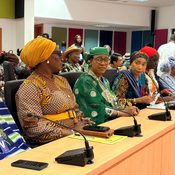
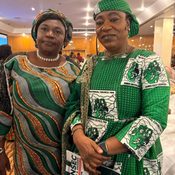
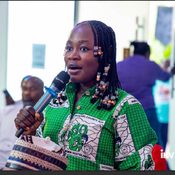
The National President of the National Council of Women’s Societies (NCWS), Princess Edna DD Azura (Kwatam Mutaku), participated in a high-level partners meeting convened by UN Women at the UN House, Abuja. The meeting brought together key stakeholders, civil society organizations, development partners, and women leaders to review progress on the Special Seats Reserved for Women Bill and to align on strategic actions for advancing women’s political representation in Nigeria.

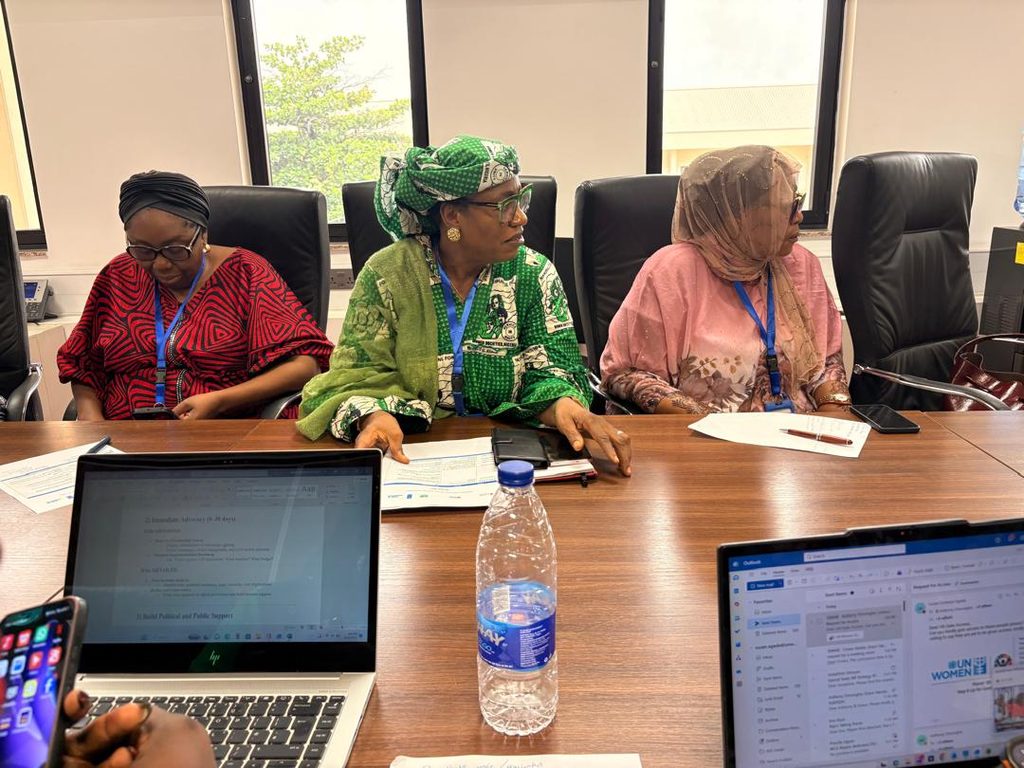
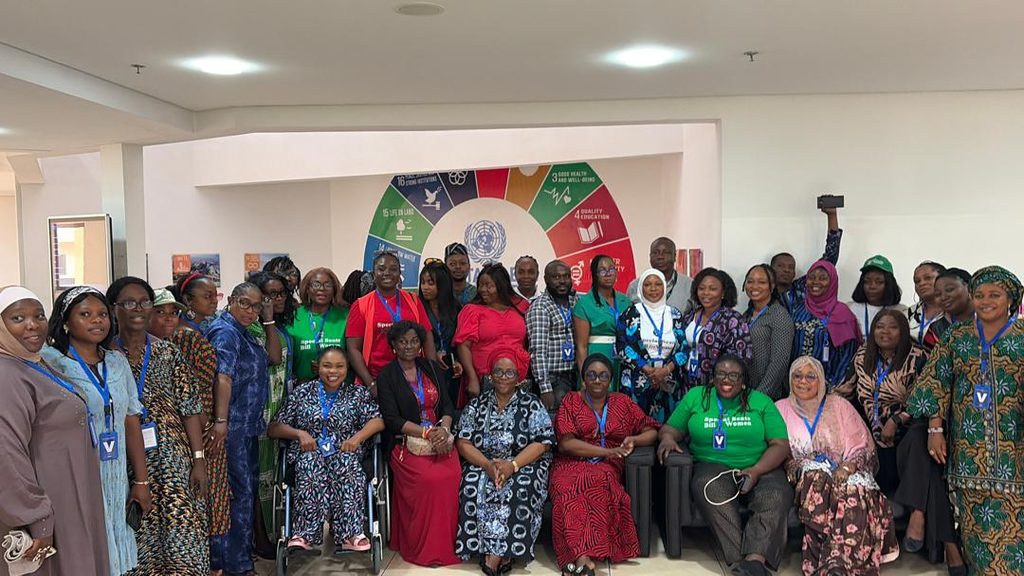
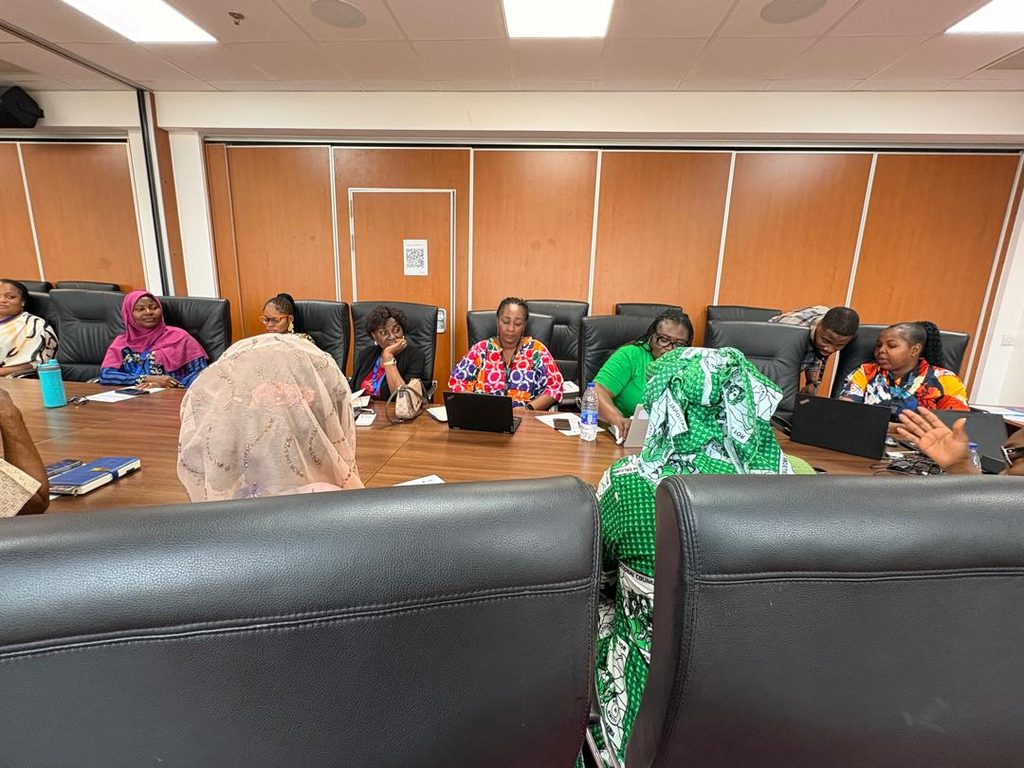
The meeting aimed to assess progress made on the Special Seats Bill, identify existing gaps affecting women’s political inclusion, develop actionable strategies to increase women’s participation in politics, and strengthen coordination among stakeholders ahead of legislative and electoral processes. Discussions revealed that while significant advocacy gains have been achieved and national support for the bill continues to grow, concerns remain regarding delays in legislative processes, lack of clarity on implementation frameworks, and the need for proactive preparation before the bill is passed. Participants emphasized the importance of developing implementation structures in advance to ensure timely and effective execution.
Deliberations on women’s political participation highlighted persistent barriers such as limited access to funding, weak political structures, low media visibility, and internal party constraints. In response, the National President stressed the need to move beyond rhetoric to practical empowerment, ensuring that women are not only supported to contest elections but are also equipped to win and sustain leadership positions.
A major concern raised during the meeting was the challenge of funding for women candidates. Participants recommended revitalizing the Nigerian Women Trust Fund, establishing collective financial contribution mechanisms among women, creating multi-sector coalition funds involving business leaders and professionals, and strategically supporting credible candidates with strong winning potential. Discussions on political strategy further emphasized the need for women to become actively engaged within party structures, build visibility, maintain loyalty, and adopt consensus-building approaches to strengthen their chances of securing party nominations.
The meeting also underscored the importance of continuous capacity building and leadership development for women. This includes training programs, mentorship opportunities, media engagement skills, and the development of structured political frameworks to guide women in governance. Additionally, participants addressed challenges within the electoral system, particularly the weak enforcement of the 35% affirmative action policy and structural barriers in candidate nomination processes. Recommendations were made to strengthen advocacy for gender-sensitive electoral reforms, build legal capacity among women candidates, and establish financial support systems for electoral litigation.
Concerns regarding access to justice were also raised, particularly the high cost and complexity of electoral legal processes. Proposed solutions included strengthening partnerships with legal organizations, creating dedicated legal support funds for women candidates, and providing training on electoral legal procedures, including documentation and evidence gathering. The role of the media was identified as critical in amplifying women’s visibility, shaping public perception, and promoting positive narratives, although it was noted that many women require additional confidence and training to fully engage with media platforms.
The issue of sustainability and continuity in women’s advocacy efforts was also discussed, with participants calling for the development of long-term nationwide strategies, expansion of activities beyond Abuja to all states, and the establishment of institutional structures that ensure continuity beyond individual leadership tenures. Furthermore, the need to create gender-friendly political spaces was emphasized, including addressing gender-based violence, promoting inclusive policies, and increasing the number of women in legislative and decision-making positions.
In her presentation, the National President highlighted the active role of NCWS in advancing the Special Seats Bill across multiple levels. She noted that NCWS participated actively in zonal public hearings, where formal submissions were made in support of the bill. Following these engagements, State Presidents were mobilized to return to their constituencies to advocate directly to legislators. At the national public hearing held in Abuja, the National President delivered a strong presentation in favor of the bill. She further reported that NCWS coordinated strategic planning sessions involving Nigerian women across various national networks, addressing key issues and petition reviews affecting women. A national convention was also convened, bringing together women aspirants and leaders to strengthen collaboration and advocacy efforts.
Additionally, the National President highlighted that during the Conference of Speakers of State Legislatures, NCWS made targeted presentations advocating for the Special Seats Bill. At another high-level advocacy meeting, she led discussions focused on strengthening women’s political leadership pathways and promoting inclusive representation. These activities demonstrate a coordinated, multi-level national strategy by NCWS to advance the passage and implementation of the Special Seats Bill.
At the conclusion of the meeting, key resolutions included the immediate development of implementation frameworks for the bill, strengthening funding mechanisms for women candidates, expanding grassroots mobilization efforts, increasing capacity-building initiatives, enhancing strategic media engagement, and establishing legal and institutional support systems for women in politics.
NCWS, under the leadership of Princess Edna DD Azura, reaffirmed its commitment to championing women’s political inclusion across Nigeria, supporting sustained advocacy for the Special Seats Bill, mobilizing women at both grassroots and national levels, and collaborating with stakeholders to build sustainable structures. The National President emphasized the importance of unity, strategic planning, and collective action in achieving meaningful representation for Nigerian women.
In conclusion, the meeting provided a robust platform for reflection, collaboration, and forward planning. It reinforced the urgency of transforming women’s political participation from aspiration into reality. NCWS remains a key driver in this movement and will continue to lead advocacy, mobilization, and policy engagement toward achieving gender equality in political representation in Nigeria.
Princess Edna D. D. Azura (Kwatam Mutaku),
National President,
National Council of Women Societies (NCWS), Nigeria.