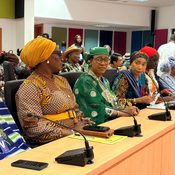
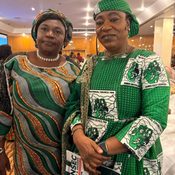
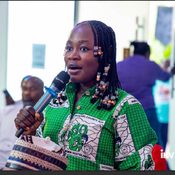
The National Council of Women’s Societies (NCWS) Nigeria played a prominent role in the 2026 Safe Motherhood Day commemoration, with its National President, Princess Edna DD Azura (Kwatam Mutaku), actively participated in a two-day series of high-level engagements held from April 14 to 15, 2026, in Abuja.
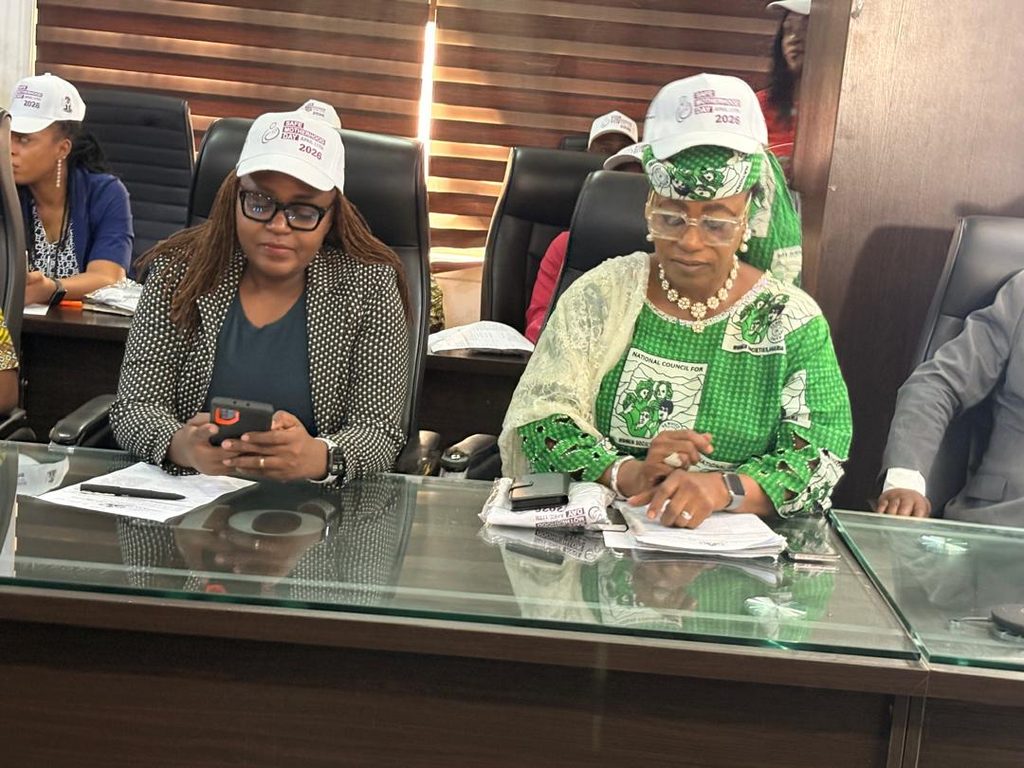
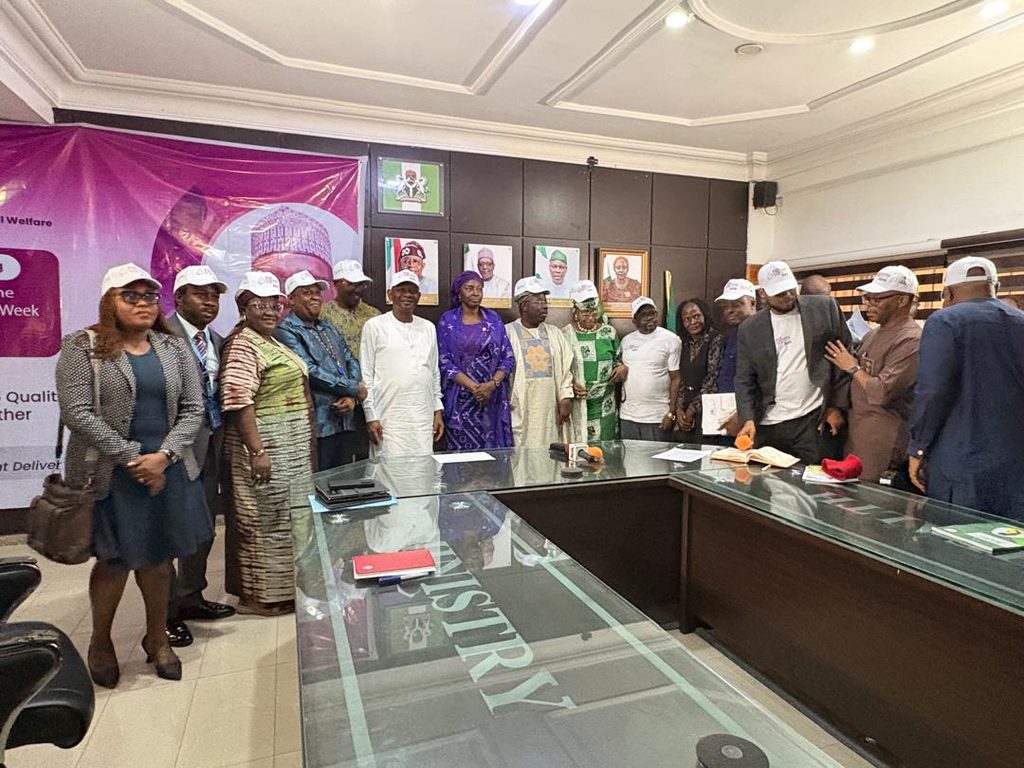

The commemoration, held under the theme “From Coverage to Quality Care for Every Mother: Building Systems that Deliver,” brought together key stakeholders across government, development partners, and civil society organizations(CSO’s) to address persistent challenges in maternal healthcare and chart a path toward improved outcomes for women across Nigeria.
The first day of activities took place at the Federal Ministry of Health, where stakeholders gathered for the official launch of a commemorative publication marking Safe Motherhood Day 2026. The publication serves as a strategic advocacy and policy tool aimed at accelerating efforts to reduce maternal mortality through evidence-based interventions. The National President Princess Edna DD Azura in her good will messages commended the initiative, highlighting the importance of documentation in tracking progress, strengthening accountability, guiding impactful policy decisions and urging the ministry of Health to engage NCWS presidents at every level of state and local government.
On the second day, the engagement continued with a high-level panel discussion at Bolton White Hotel, Abuja, where the NCWS National President served as a distinguished panelist. The session focused on moving beyond statistics to practical solutions that ensure not just access to maternal health services, but the delivery of quality care for every mother.
During the discussion, Princess Edna DD Azura brought forward the lived realities of women at the grassroots level. She identified insecurity as a major barrier, noting that the dangers posed by insurgency and banditry often make it unsafe for pregnant women to travel long distances to health facilities. She also highlighted cultural constraints in some communities, where women require male consent before seeking care and where traditional birth attendants are often preferred over skilled medical professionals.
Financial limitations were also emphasized as a critical challenge, with many families unable to afford the costs associated with transportation and healthcare services. In addition, she addressed the role of misinformation and fear, citing instances where false beliefs about hospital practices discourage families from embracing facility-based delivery.
In proposing solutions, the NCWS President advocated for practical, community-driven approaches. She called for the involvement of local vigilante groups and youth volunteers to provide safe escort services for pregnant women. She also recommended the deployment of mobile clinics to underserved and hard-to-reach areas, particularly within community centers and traditional institutions.
Furthermore, she underscored the importance of empowering women economically through skills development initiatives, enabling them to better prepare for maternal health needs. She also emphasized the need for stronger collaboration with traditional and community leaders to address harmful myths and promote the benefits of skilled maternal healthcare. Urging the Ministry of Health to engage the presidents of NCWS at the states and local government levels.
The panel discussions resulted in several key commitments from stakeholders, including strengthening accountability systems such as Maternal and Perinatal Death Surveillance and Response (MPDSR), expanding access to emergency obstetric care through the National to engage the presidents of NCWS at the states and local government levels.
The panel discussions resulted in several key commitments from stakeholders, including strengthening accountability systems such as Maternal and Perinatal Death Surveillance and Response (MPDSR), expanding access to emergency obstetric care through the National Health Insurance Authority, and improving the retention of healthcare workers in rural and underserved areas. There was also renewed advocacy for community-based solutions, including maternity waiting homes and mobile healthcare services in conflict-affected regions.
In her closing remarks, Princess Edna DD Azura reaffirmed NCWS’s commitment to advancing maternal health advocacy across Nigeria. She pledged that the Council would actively disseminate the outcomes of the engagement to its state chapters and continue to collaborate with government and development partners to drive meaningful change.
She concluded with a powerful call to action, stressing the urgency of collective responsibility in addressing maternal mortality: “We are tired of talk without action. The time has come for us to move forward together. When we call for help to end maternal mortality, we must all respond.”
The participation of NCWS in the 2026 Safe Motherhood Day commemoration once again underscores its critical role as a bridge between policymakers and grassroots women, ensuring that the voices, challenges, and realities of Nigerian women remain at the center of national development efforts.
Princess Edna D. D. Azura (Kwatam Mutaku),
National President,
National Council of Women Societies (NCWS), Nigeria.