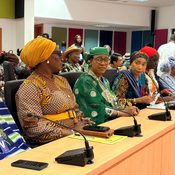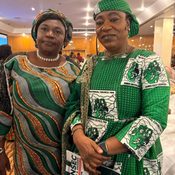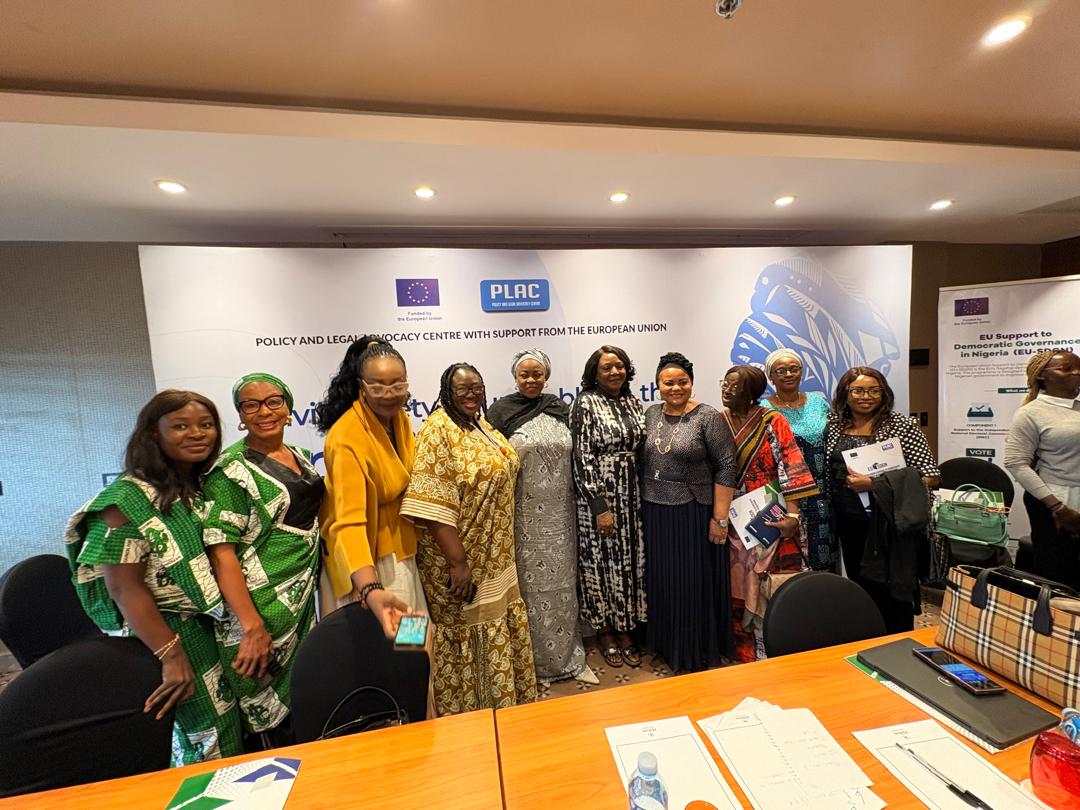
The National Council of Women’s Societies (NCWS), Nigeria, was represented by a national officer and ca council member at the Civil Society Roundtable on the Proposed Women’s Special Seats Bill, convened by the Policy and Legal Advocacy Centre (PLAC) with support from the European Union. The engagement formed part of ongoing efforts to strengthen advocacy for increased women’s representation in elective offices as Nigeria advances its constitutional reform process.

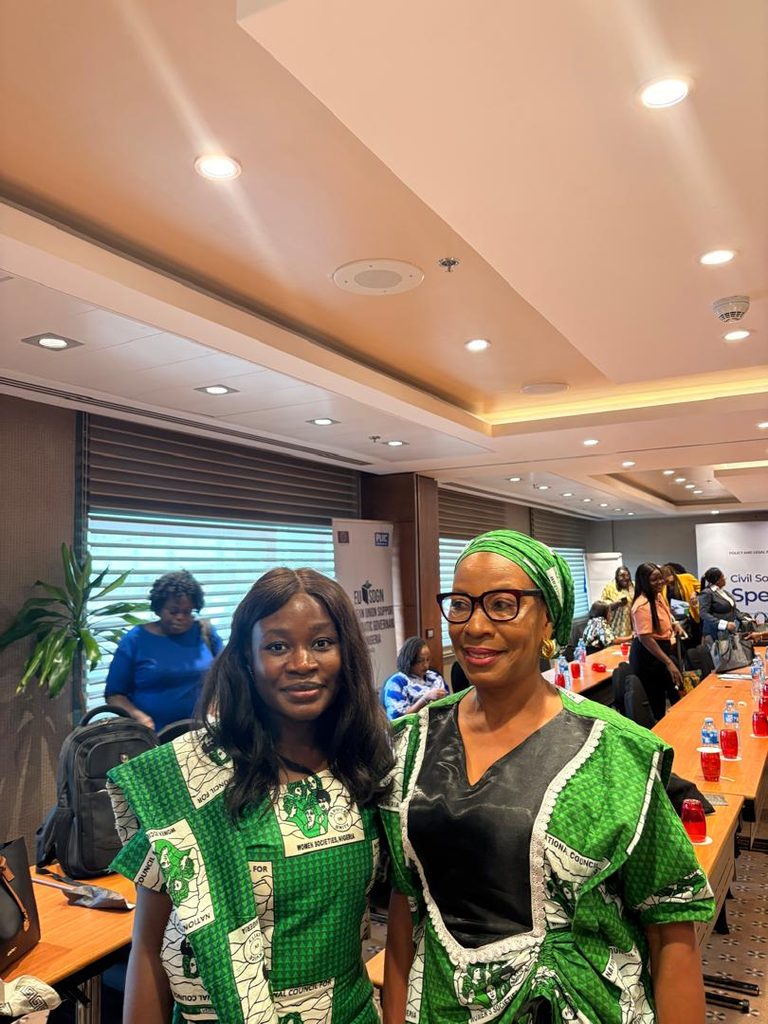
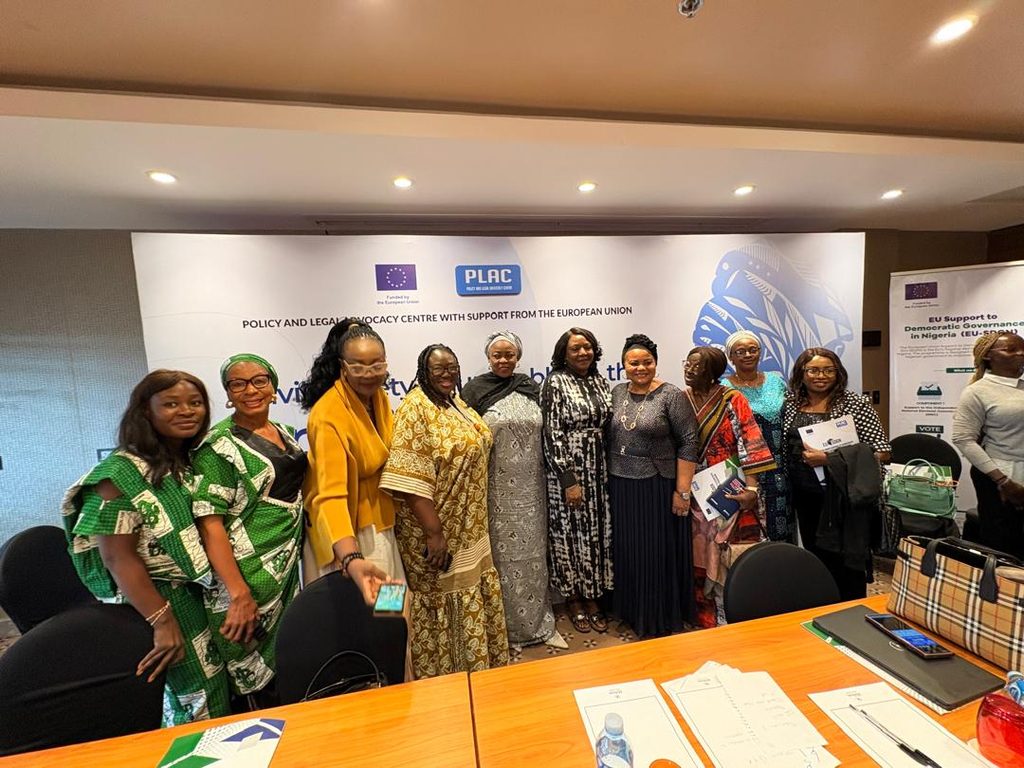
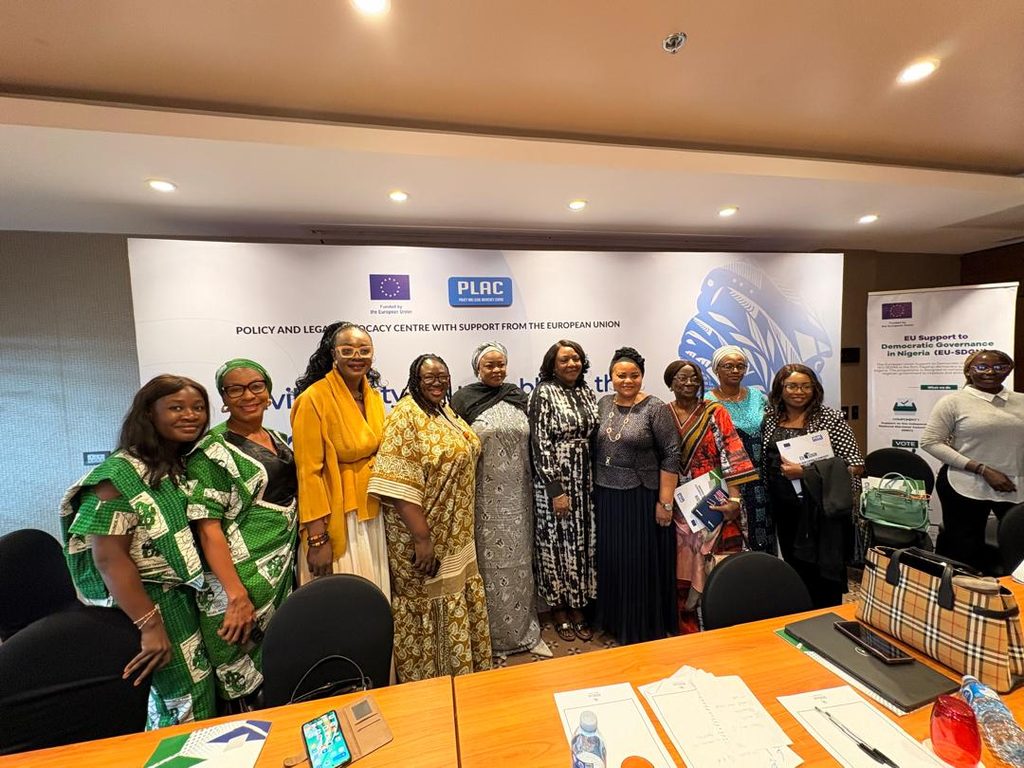
The roundtable brought together civil society organisations, women’s rights advocates, governance experts, development partners, legal practitioners, and other key stakeholders to review recent developments surrounding the proposed Women’s Special Seats Bill and strengthen advocacy for increased women’s representation in elective offices. Discussions centred on refining advocacy strategies ahead of the National Assembly’s legislative voting on constitutional amendment bills and the forthcoming National Assembly Open Week. A key feature of the dialogue was the presentation and critical examination of the proposed Electoral College Model for the election of women into the special seats. Participants assessed its opportunities and challenges while recommending improvements to enhance transparency, accountability, legislative clarity, and safeguards against undue political influence. Representatives of the Inter-Parliamentary Union (IPU) reaffirmed the organisation’s commitment to supporting Nigeria’s Parliament through technical expertise, international best practices, comparative experiences, and sustained dialogue aimed at advancing women’s political participation.
During the interactive session, stakeholders deliberated on the implementation of the Electoral College Model, its composition, accountability mechanisms for elected representatives, transparency in candidate selection, constitutional implications, and measures to prevent political manipulation. Participants also examined lessons from other countries such as Uganda, Rwanda, Kenya, South Africa, Morocco ETC, that have successfully implemented similar special seat arrangements while recognising Nigeria’s unique constitutional and electoral framework. Speakers emphasised that meaningful progress requires sustained collaboration among government institutions, civil society organisations, political parties, development partners, traditional and religious leaders, the media, and citizens. The meeting further served as a strategic preparatory platform for the National Assembly Open Week, scheduled to commence on Tuesday, 14th July 2026, with a dedicated Gender Day Session on Wednesday, 15th July 2026, where discussions on constitutional reforms and the proposed creation of Special Seats for Women will continue as stakeholders intensify advocacy for the successful passage of the Bill.
The National Council of Women’s Societies (NCWS), Nigeria,reaffirmed its steadfast commitment to advocating down to grassroots level for increased women’s participation in politics, the electoral process, and leadership at all levels. The Council pledged to continue collaborating with government institutions, civil society organisations, development partners, and other stakeholders to advance gender equality, support the passage of the Women’s Special Seats Bill, and promote inclusive governance.
Princess Edna DD Azura(Kwatam Mutaku)
National President
National of Women’s Societies(NCWS), Nigeria